

Johannesburg: EgyPulse – News Desk
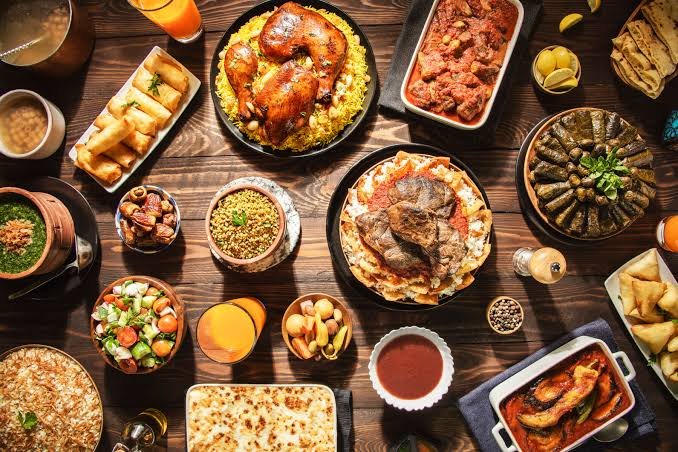
Egyptian cuisine is a living museum of flavors, where every dish carries echoes of history and culture. Tourists quickly discover koshari, the national dish and a true emblem of Egypt’s street food. It is a layered bowl of rice, lentils, pasta, and chickpeas, crowned with crispy fried onions and drenched in tangy tomato sauce, with optional chili for heat. The combination is chaotic yet harmonious, filling and affordable, and it perfectly mirrors the energy of Cairo’s bustling streets. Ful medames, slow-cooked fava beans with garlic and lemon, anchors breakfast traditions that stretch back millennia.
Street stalls offer taamiya, falafel made from fava beans, hawawshi stuffed pita baked crisp, and Alexandrian liver fried with chili and garlic. Festive tables feature stuffed pigeon, hamam mahshi, filled with rice or bulgur, while molokhia, a jute leaf stew with garlic and coriander, remains a divisive but iconic staple. Along the coast, sayadiyah fish baked with rice and spices reflects Mediterranean influence, while mahshi – vegetables stuffed with rice and herbs – shows Ottoman heritage.
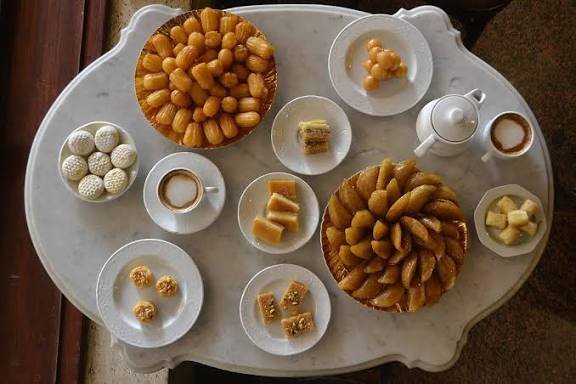
Desserts bring indulgence: basbousa semolina cake soaked in syrup, kanafeh layered with pastry and cream or cheese, and umm ali, bread pudding with milk, nuts, and raisins. Feteer meshaltet offers flaky layers both sweet and savory, while baklava ties Egypt to wider Middle Eastern traditions. For visitors, Egyptian food is more than a checklist of dishes – it is cultural immersion. Eating koshari in a crowded stall or sharing basbousa during a family gathering connects tourists to Egypt’s living heritage, where hospitality and tradition meet in every bite.